
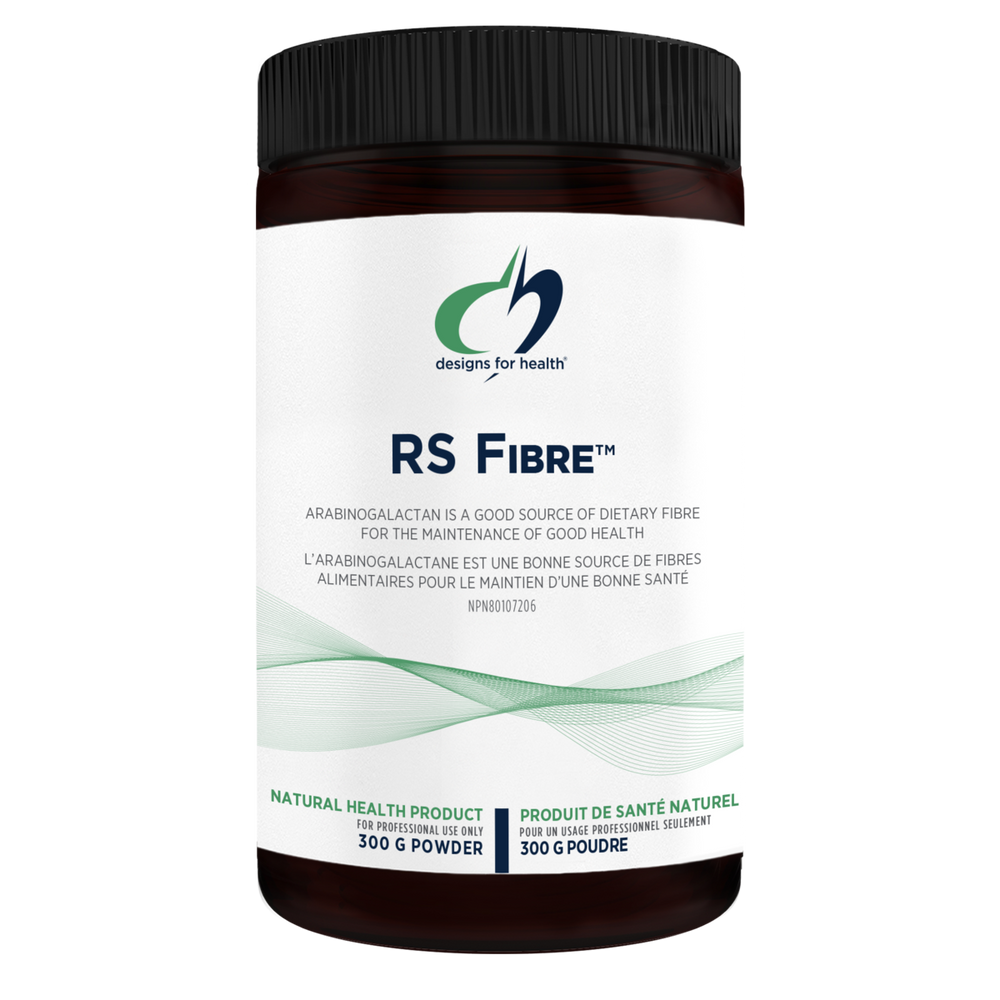
RS Fiber
- 79.99$
0.00$- 79.99$
- Unit price
- per
Please hurry! Only 4 left in stock
Subtotal:
79.99$


Description
x- Blend of resistant starches and other fibers
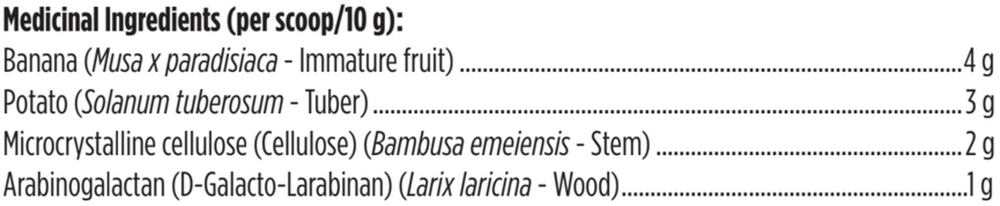
RS Fiber contains two forms of type II resistant starch: green banana flour and powdered potato starch. Resistant starches (RS) are defined as starches that resist human enzymatic digestion in the upper gastrointestinal tract; they are metabolized into short-chain fatty acids by bacteria in the lower gastrointestinal tract; therefore, they do not contribute to increased blood glucose levels. Common starches differ from RS in that they are broken down into glucose molecules in the upper gastrointestinal tract by enzymes in the mouth, pancreas, and brush border of the small intestine. This glucose is rapidly absorbed, resulting in a rapid, and sometimes drastic, increase in blood glucose. The RS Fiber blend provides 4g of resistant starches combined with 3g of common starches, thus preventing a significant increase in blood glucose levels.
In the United States, the average total fiber intake is estimated at 15 g/day and the daily intake of RI at 5 g. 5 This is well below the current Recommended Daily Intake (RDI) of 25-30 g/day and significantly lower than the 50-100 g of fiber consumed daily for much of human evolution. 18 The average diet in the United States is considered deficient in fiber, an important nutritional component for supporting good health. Crude starches, found in root vegetables and fruits, are an important component of the evolutionary human diet. This may explain why the human gastrointestinal tract and the body's glucoregulatory mechanisms are not adapted to effectively metabolize large amounts of refined and concentrated sugars and starches and benefit more from digestive-resistant starches.
Produits recommandés
Produits récemment consultés
- Choosing a selection results in a full page refresh.