
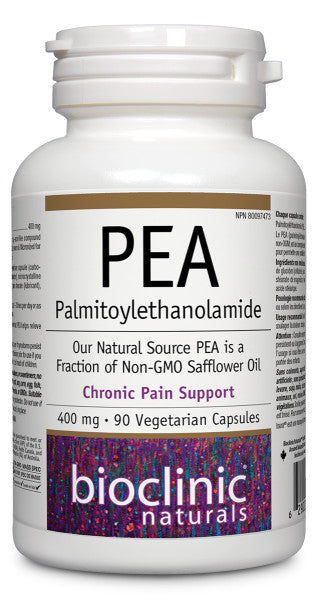
PEA (Palmitoylethanolamide) 400 mg
- 44.99$
0.00$- 44.99$
- Unit price
- per
Please hurry! Only 4 left in stock
Subtotal:
44.99$


Description
x- For the relief of chronic pain
- Provides a natural source of PEA from non-GMO saffron oil
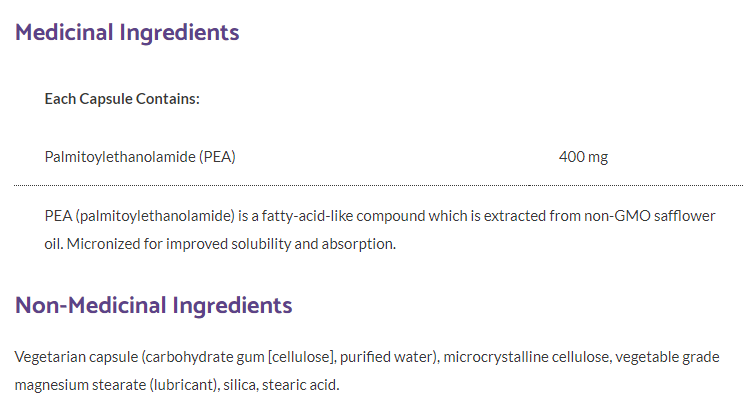
- Micronized for better bioavailability
- Provides 400 mg of PEA in each capsule, allowing for easy and clinically relevant dosing
- Suitable for vegetarians and vegans
Palmitoylethanolamide (PEA) is an endogenously produced lipid involved in the resolution of neuroinflammation and clinically reduces pain of various origins. PEA is a type of ethanolamine fatty acid produced in microglia and mast cells, where it reduces the activation of both cell types; PEA levels are increased in brain areas involved in nociception and appear to modulate protective responses to both inflammation and pain. Its effects are mediated by direct activation of PPAR-a and GPR55 receptors, and potentially by indirect activation of CB1 and CB2 receptors and the TRPV1 channel (i.e., the capsaicin receptor).
In clinical trials, PEA has been shown to be effective in reducing pain levels associated with various chronic conditions (lasting at least 6 months) when pain was not controlled by standard therapies, demonstrating its effectiveness both alone and in combination with standard treatments. PEA has been shown to be effective for pain resulting from nerve compression syndromes, including sciatica and carpal tunnel syndrome. Randomized trials have also shown benefit for pain control in specific conditions, including TMJ, as well as for depressive symptoms in major depressive disorder when used in conjunction with antidepressants. In addition, PEA has been shown to improve endothelial function and reduce intraocular pressure in patients with ocular hypertension.
Produits recommandés
Produits récemment consultés
- Choosing a selection results in a full page refresh.