
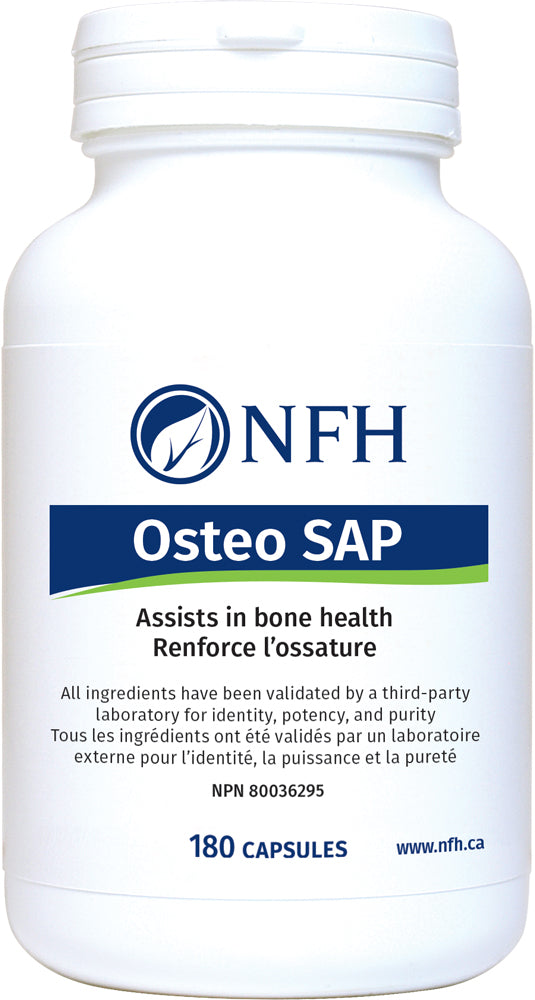
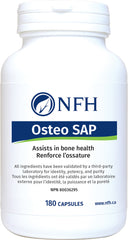
Osteo SAP
- 62.99$
0.00$- 62.99$
- Unit price
- per
Please hurry! Only 2 left in stock
Subtotal:
62.99$


Description
x- Osteominerals, vitamins and amino acids in non-GMO vegetable capsules (based on science)
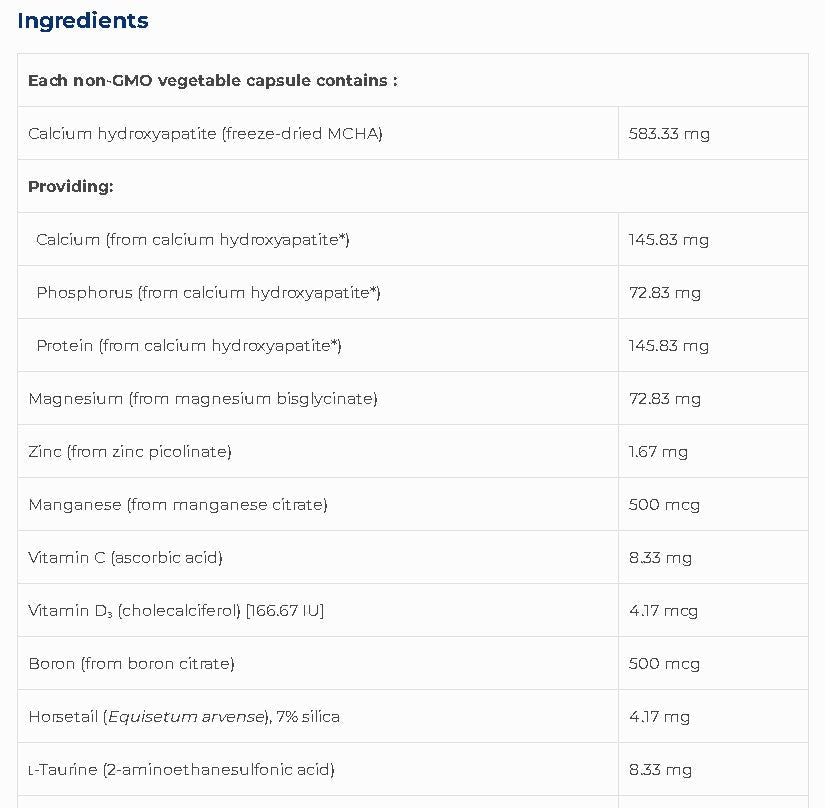
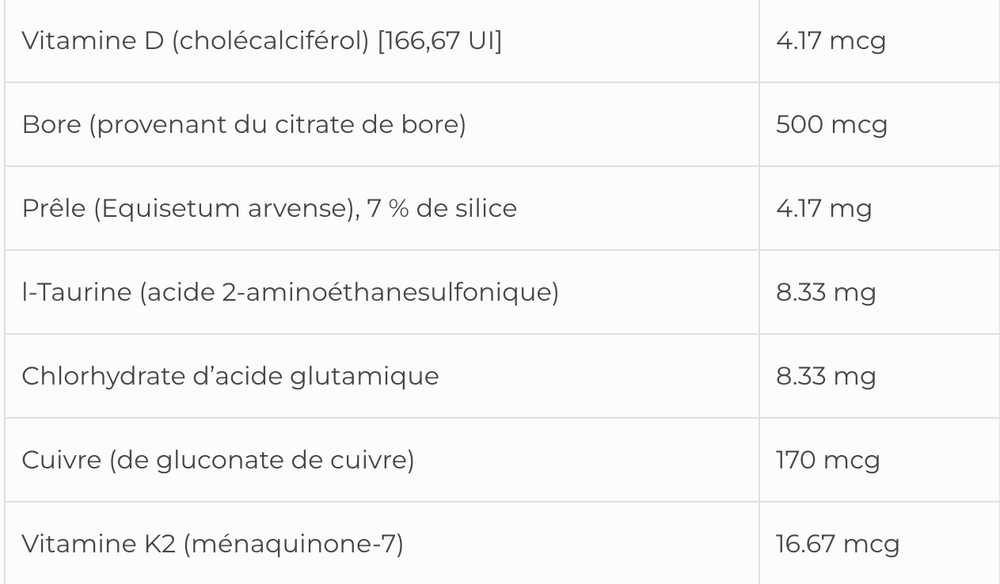
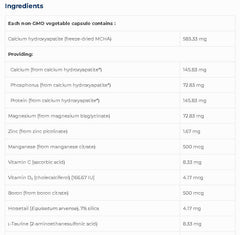
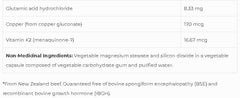
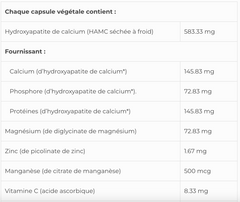
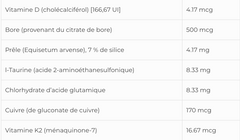
Adequate nutrition is essential in the prevention and treatment of osteoporosis. Many nutritional factors have been examined for associations with osteoporosis and bone mass. Calcium is essential for bone development and stability, and poor calcium absorption is thought to contribute to the development of osteoporosis. Vitamin D is essential for maintaining calcium levels and increases its absorption in the intestine. Boron is involved in the metabolism of calcium, magnesium, and phosphorus, contributing to the prevention of bone loss associated with osteoporosis. Plant-derived vitamin K2 activates osteocalcin, the major non-collagenous protein in bones and a specific marker of bone formation.
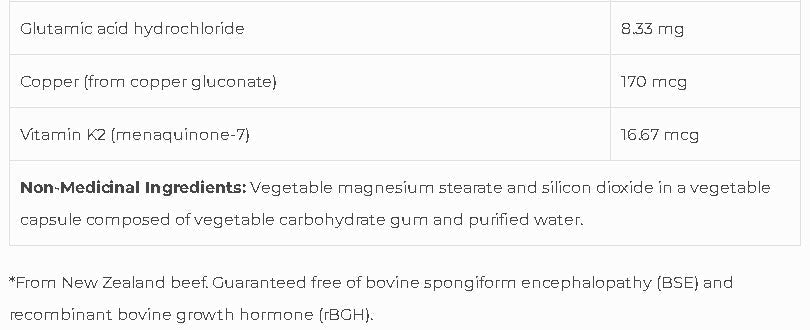
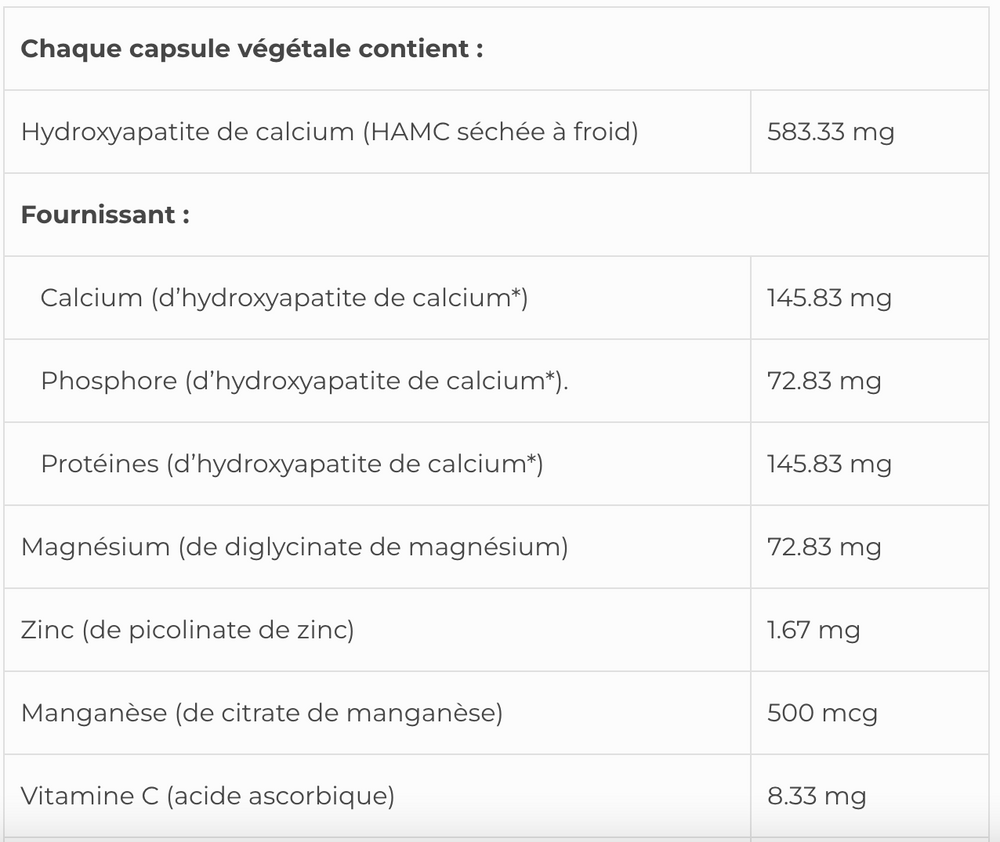
Copper, manganese, and zinc are an essential trio in bone metabolism as cofactors for specific enzymes. Calcium, magnesium, phosphorus, trace elements, and protein are components of bone tissue and are all found in microcrystalline hydroxyapatite (MCHA) in their natural proportions.
Produits recommandés
Produits récemment consultés
- Choosing a selection results in a full page refresh.