
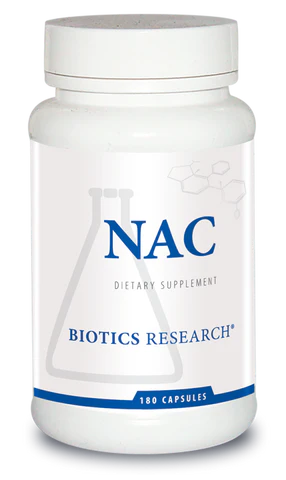
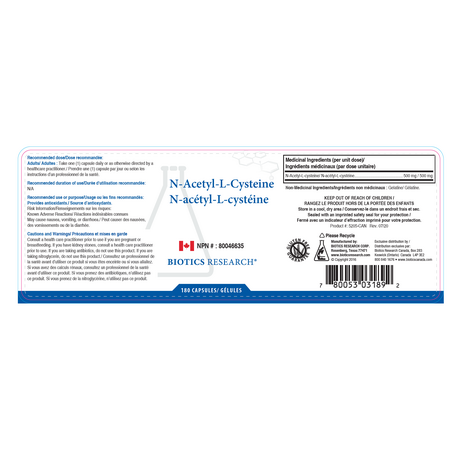
NAC N-Acetyl-L-Cysteine
- 69.99$
0.00$- 69.99$
- Unit price
- per
Please hurry! Only 1 left in stock
Subtotal:
69.99$


Description
x- NAC provides N-acetyl-L-cysteine, a derivative of L-cysteine, which is more stable and better absorbed than L-cysteine.
NAC provides N-acetyl-L-cysteine, a derivative of L-cysteine, which is more stable and better absorbed than L-cysteine. NAC functions as a potent antioxidant. As a precursor to intracellular glutathione synthesis, it is essential for glutathione synthesis. Glutathione is an essential component of the immune system, as it is an important water-soluble intracellular antioxidant. As part of this function, glutathione plays a vital role as a cofactor for the antioxidant enzymes glutathione peroxidase and glutathione transferase. Glutathione is also important for the liver, as the liver uses it for drug detoxification. As a metabolite of cysteine, NAC plays an important role in detoxification and is hepatoprotective. NAC helps protect cells from oxidative stress and contributes to important bodily reactions. As such, it is part of the defensive mechanism towards potential carcinogens, as well as against DNA damage. The role of NAC in acetaminophen toxicity is widely documented, however, NAC also contributes to other protective mechanisms, including drug conjugation and excretion, destruction of peroxide and free radicals, maintenance of the NADPH-NADP redox state, acid- NAC balance also plays a role in the development of the central nervous system. There have been many studies using NAC, with COPD, especially in patients who smoke. The use of NAC in smokers with chronic bronchitis has shown a significant reduction in the number of positive bacterial cultures in these patients. {Riise GC, et al. Eur Respir J.1994 Jan; 7(1):94-101.} Another study using NAC indicated potential benefits for chronic bronchitis, resulting in a significantly lower exacerbation rate in patients receiving NAC, compared to placebo. {Rassmussen, JB & Glennow, C. Eur Respir J. 1988 Apr;1(4):351-5.} Because it readily crosses cell membranes, NAC has been shown to be readily absorbed. It is also resistant to enzymatic degradation.
Produits recommandés
Produits récemment consultés
- Choosing a selection results in a full page refresh.