
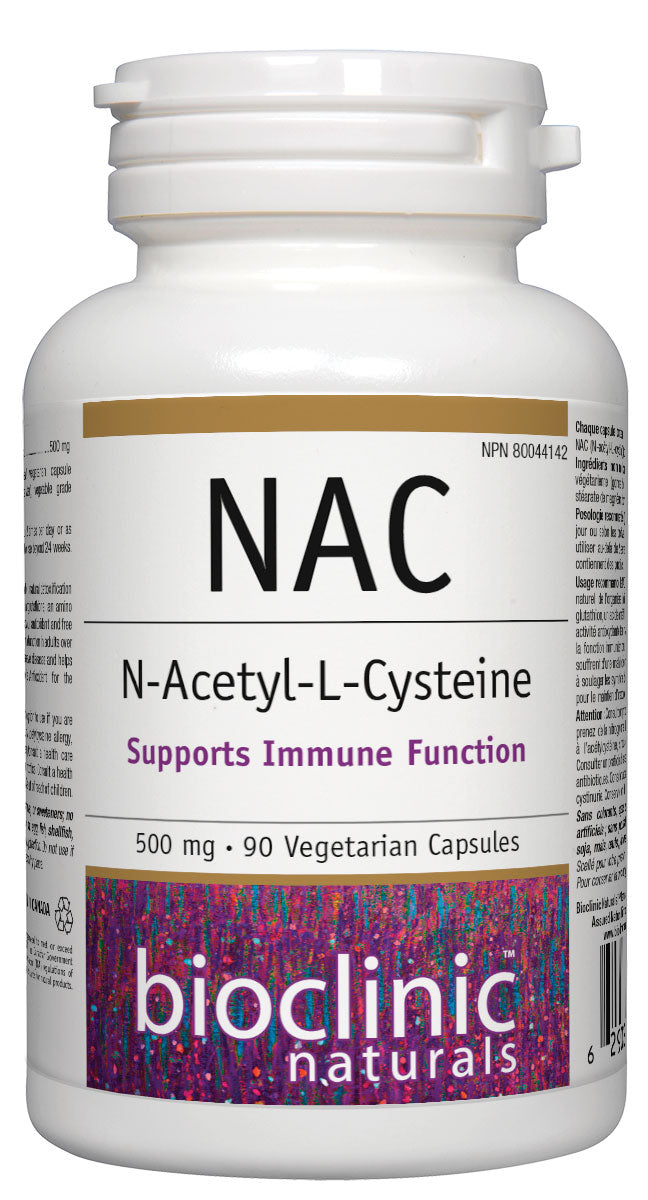
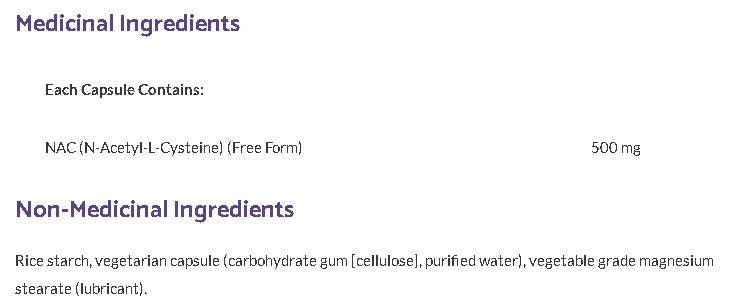
NAC 500mg
- 17.99$
0.00$- 17.99$
- Unit price
- per
Please hurry! Only 2 left in stock
Subtotal:
17.99$


Description
x- Supports the synthesis of glutathione, a key cellular antioxidant and conjugator of many environmental toxins
- Improves endothelial function and supports nitric oxide synthesis
500 mg of NAC per capsule allows for easy and therapeutic dosage levels - Stable and well-absorbed form of the easily oxidizable amino acid L-cysteine
N-acetyl-L-cysteine (NAC) is known for its various physiological and therapeutic benefits, largely attributed to its antioxidant, anti-inflammatory, and mucolytic effects. It is well known to increase glutathione, a key intracellular antioxidant, by providing a stable form of L-cysteine, the rate-limiting factor in glutathione synthesis. The number of conditions with impaired glutathione homeostasis continues to grow, including not only cardiovascular, neurodegenerative, pulmonary, and age-related diseases, but there is also increasing clinical recognition of metabolic disorders related to exposure to environmental toxins, such as diabetes and persistent organic pollutants. By restoring glutathione levels, NAC is also well established as the most effective treatment for acetaminophen toxicity.
Additionally, NAC's ability to cleave disulfide bonds makes it effective as a mucolytic agent, with clinical benefit for people with COPD and pulmonary fibrosis. Disulfide bond breaking may also be the same mechanism by which it lowers homocysteine and improves endothelial function in coronary artery disease. NAC has immunomodulatory and anti-inflammatory effects, improving flu symptoms and SLE disease activity. By modulating glutamatergic and neurotropic pathways, NAC has also been shown to be beneficial for schizophrenia, bipolar disorder, and autism.
Produits recommandés
Produits récemment consultés
- Choosing a selection results in a full page refresh.