
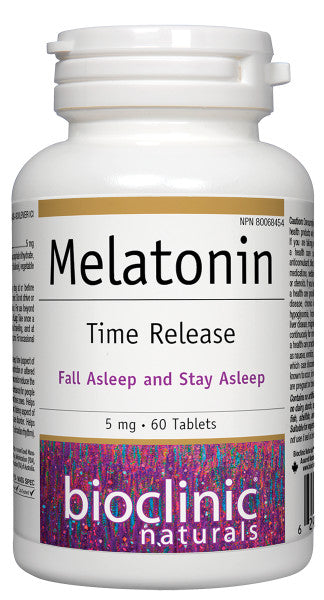

Melatonin Time Release 5 mg
- 10.99$
0.00$- 10.99$
- Unit price
- per
Please hurry! Only 3 left in stock
Subtotal:
10.99$


Description
x- Clinically proven improvement in sleep quality, morning alertness, sleep latency and quality of life
- Supplementation is linked to improved mood and cognitive function in people with sleep disorders.
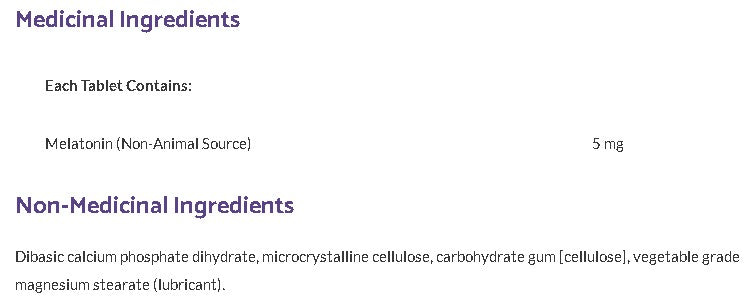
- Each tablet contains 5 mg of extended-release melatonin.
- The timed-release formulation maintains plasma levels for a longer period, thus improving sleep initiation, maintenance and quality.
- Non-habit forming
Sleep is an essential component of health, and many of us don't get enough of it. Changes in sleep patterns are largely a reflection of our circadian rhythms, which are guided by the pineal hormone melatonin. Melatonin plays a major role in the circadian regulation of the sleep-wake cycle and has been shown to be critically important for sleep initiation and quality, with supplementation improving sleep in healthy individuals and those with insomnia, and preventing phase shifts due to jet lag or shift work. Timed-release melatonin not only improves sleep initiation but also helps maintain and improve sleep quality.
Melatonin is particularly effective in older adults, regardless of endogenous melatonin levels, both in the short and long term, with improvements in sleep quality, morning alertness, sleep onset latency, and quality of life, without adverse effects or addiction. In addition, melatonin has been shown to improve sleep quality in children with various sleep disorders, including delayed sleep phase syndrome and sleep maintenance disorder, or other sleep-related disorders. Timed-release melatonin has demonstrated clinical improvements in mood in individuals with sleep disorders, as well as cognitive performance in individuals with Alzheimer's disease.
Produits recommandés
Produits récemment consultés
- Choosing a selection results in a full page refresh.